
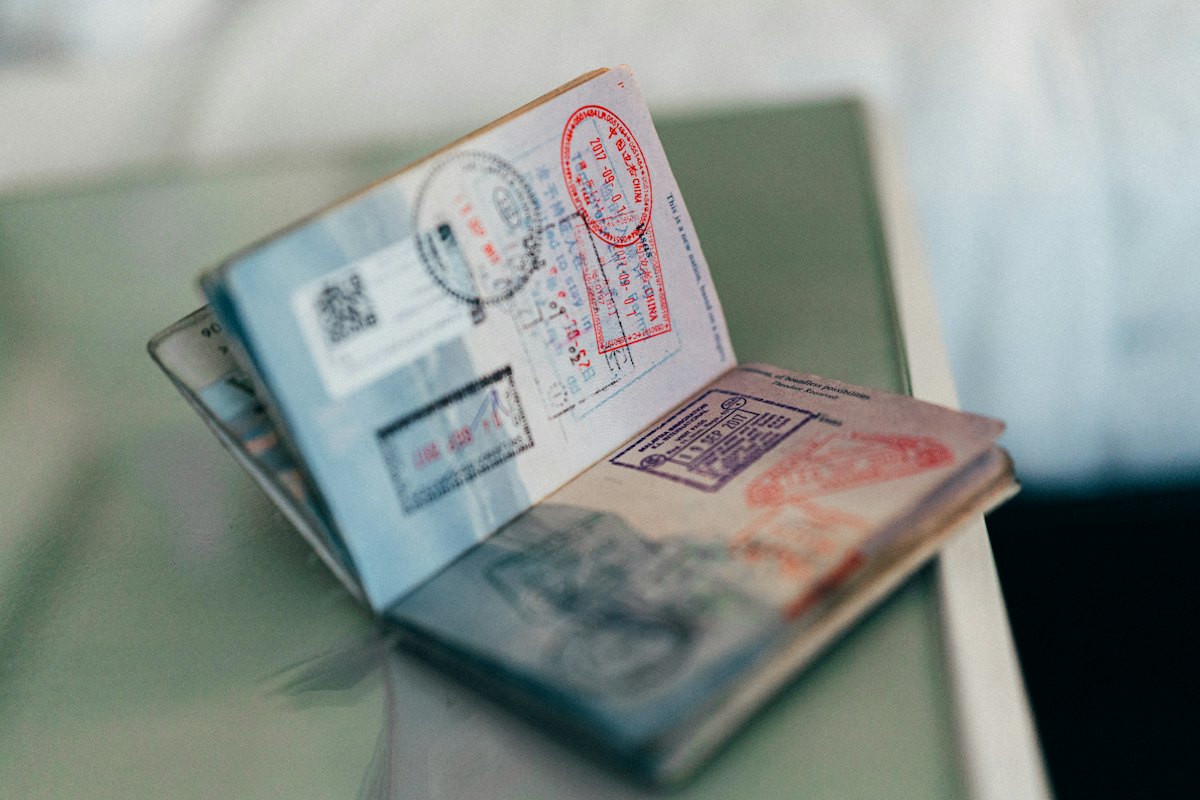

If you hold a UAE residence visa and you are planning a trip to Europe, the first thing to settle is how to apply for a Schengen visa from Dubai. The process itself has not changed much, but two things have. The fee is now 90 euros for adults, and the way Europe records your arrival at the border was replaced in late 2025 by a biometric system. Here is what the application actually involves in 2026.
Table of Contents
Indian, Pakistani and Filipino residents still need a visa
Emirati passport holders do not need a visa for short stays in the Schengen area. Almost everyone else living in the UAE does, including Indian, Pakistani, Filipino, Egyptian, Bangladeshi and Sri Lankan passport holders, whatever their residence status here. Holding a UAE residence visa does not exempt you. What it does give you is the right to apply from here rather than from your home country, which is usually faster and simpler.
Apply to the country where you will spend the most nights
You do not pick a consulate freely. You apply to the Schengen country where you will spend the most nights. If your nights are split evenly between two countries, you apply to the one you will enter first. Applying to the wrong country is one of the more common reasons a file is rejected, so work out your itinerary before you book an appointment. The visa itself is valid across the whole Schengen area once issued, so the choice affects where you apply, not where you can travel.
Schengen visa fees from Dubai in 2026
| Applicant | Visa fee |
|---|---|
| Adult | 90 euros, roughly 385 dirhams |
| Child aged 6 to 11 | 45 euros, roughly 190 dirhams |
| Child under 6 | No fee |
| Visa centre service fee | Around 30 to 40 euros, charged on top |
The adult fee rose from 80 to 90 euros in June 2024, so older guides quoting 80 are out of date. Once you add the centre service fee, insurance and courier charges, most applicants from Dubai end up paying somewhere between 700 and 1,100 dirhams in total. The fee is not refunded if your application is refused.
VFS Global and BLS International take most Dubai applications
Most consulates do not take applications directly. They outsource to visa application centres, and in Dubai that usually means VFS Global, which handles France, Germany, the Netherlands, Italy, Switzerland and Greece among others. Spain is handled by BLS International. Because these arrangements change, confirm on the consulate’s own website which centre is currently taking its applications before you book anything.
Documents a UAE resident has to submit
The core file is the same almost everywhere. You need a passport issued within the last ten years, valid for at least three months beyond your return date and with two blank pages, along with the completed and signed application form and two recent photos in the European format of 35 by 45 millimetres.
What you add from the UAE side
From the UAE side you add a copy of both sides of your Emirates ID and your residence visa, which must itself be valid for at least three months after you travel. Consulates then want evidence that you can fund the trip and that you intend to come back, which in practice means roughly six months of bank statements, a salary certificate or employer letter, a flight itinerary that matches the dates on your form, and confirmed accommodation for every night of the stay.
Insurance must cover 30,000 euros in medical expenses
Travel insurance is not optional. It has to cover a minimum of 30,000 euros in medical expenses, be valid across all Schengen countries, and run for the entire period you are away.
Allow fifteen to forty five days, and apply six weeks ahead
The official processing target is fifteen calendar days, and plenty of files are decided in that window. In practice applicants from Dubai often wait between fifteen and forty five days, and during the busy periods from April to August and over the new year it can stretch past two months.
When you can lodge the application
You may lodge your application up to six months before you travel and no later than fifteen days before departure. Applying six to eight weeks ahead is sensible, and in summer you want more room than that. Do not book flights you cannot change before you have a decision.
The Entry and Exit System replaced passport stamps in 2025
Since October 2025 the Schengen area has been rolling out the Entry/Exit System, which replaces the ink stamp in your passport with a digital record. On your first crossing after it went live, border officers take your fingerprints and a facial image, and every entry and exit after that is logged centrally. A few crossing points are still completing their equipment, so you may meet either system for now. The practical effect is that your biometrics are kept for 59 months, which can save you a trip to the centre on a later application, and that the ninety days in any 180 you are allowed are now counted automatically rather than by an officer flicking through stamps. You can read the official explanation of the Entry and Exit System on the European Union travel site.
ETIAS is delayed to 2027 and does not apply to visa holders
ETIAS comes up constantly in travel forums and causes a lot of confusion. It is a 7 euro travel authorisation for people who do not need a visa at all, which from the UAE means Emirati passport holders. If you are applying for a Schengen visa, ETIAS does not apply to you. It is also not running. The launch has been postponed repeatedly and is now expected in 2027, so nobody should be paying for one today. The official ETIAS page is the only place worth checking for a start date, because paid lookalike sites appear every time a new date is floated.
Other visas UAE residents apply for
If Europe is not the only trip you are planning, we have also covered Turkey visa requirements for UAE residents and the Turkish visa application centre in Dubai, which many travellers use as a first stop before applying for Schengen.
A Schengen application from Dubai in one paragraph
So, how to apply for a Schengen visa from Dubai. Work out which country you will spend the most nights in, book an appointment at the centre that consulate uses, pay 90 euros plus the service fee, and bring your passport, Emirates ID, residence visa, six months of statements, flights, hotels and insurance covering 30,000 euros. Apply at least six weeks out, expect fifteen to forty five days, and ignore anything asking you to buy an ETIAS. For general travel guidance for residents, the UAE government portal is a reliable starting point.


