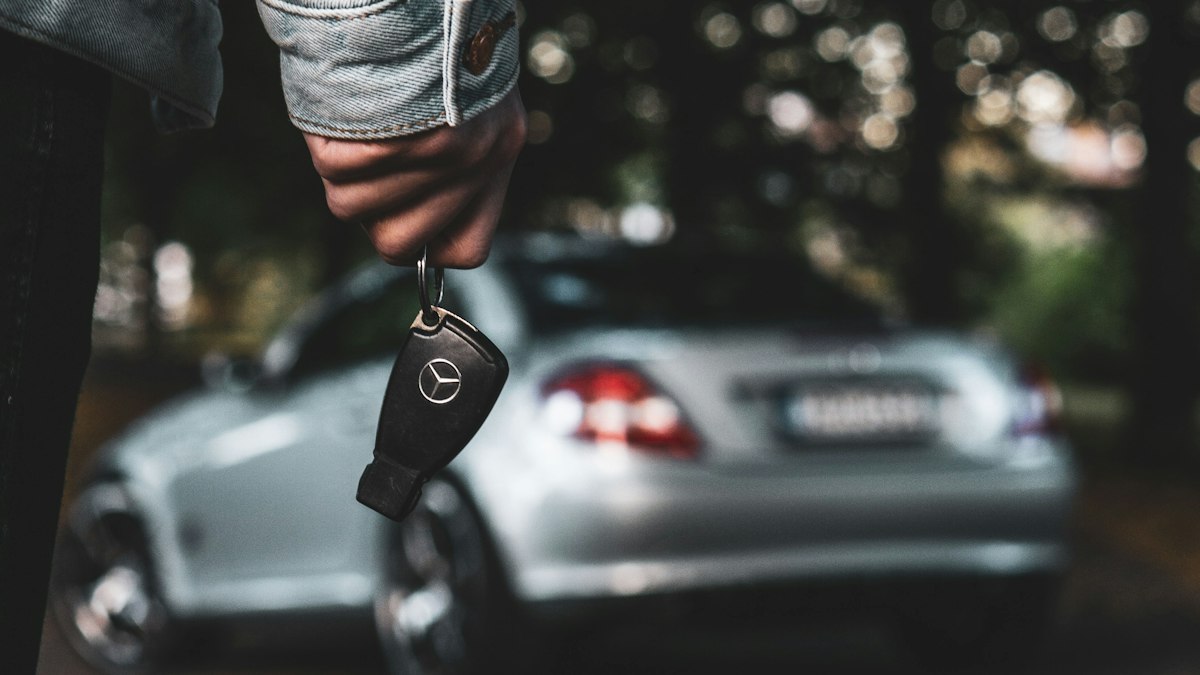

Most of the paperwork now happens in an app, but the seller cannot begin while a single traffic fine is outstanding.
The short answer on how to transfer car ownership in Dubai is that it costs around 350 dirhams in RTA fees for a light vehicle, plus 20 dirhams for the knowledge and innovation charge, 35 or 50 dirhams for plates, and about 170 dirhams for a technical inspection if the car is more than three years old. The seller starts the request and the buyer signs the sale agreement, and in most cases nobody needs to visit a centre at all.
What stops transfers is almost never the money. It is an unpaid fine, a missing bank letter or an insurance policy still in the seller’s name. Anyone buying a used car should also read our note on the five car ownership cap and where it now stands.
Table of Contents
The seller cannot start while a single fine is unpaid
Every traffic fine on the vehicle has to be cleared before the request will open. This is a hard stop in the system rather than something an officer can waive.
Check the record before agreeing a price, because fines belong to the car as well as the driver. A buyer who hands over cash first and discovers the fines afterwards has no leverage left.
What the RTA charges to move a car to a new owner
| Item | Fee |
|---|---|
| Transfer, light vehicle | About 350 dirhams |
| Transfer, motorcycle | About 200 dirhams |
| Transfer, vehicle between 3 and 12 tonnes | About 400 dirhams |
| Knowledge and innovation charge | 20 dirhams |
| Number plates, short or long | 35 or 50 dirhams |
| Technical inspection, cars over 3 years old | About 170 dirhams |
| Certificate to keep an existing plate | 100 dirhams |
A straightforward light vehicle transfer therefore lands somewhere between 400 and 600 dirhams once the inspection and plates are counted. Fees change without much warning, so confirm the current figures on the RTA website before you budget.
Who pays, and why the agreement should say so
There is no rule assigning the cost to either side. In practice the buyer usually covers the transfer and plate fees, but private sales often split them.
Write it into the sale agreement. It is a small amount and an extremely common argument on the day.
The buyer needs insurance in their own name first
The transfer will not complete on the seller’s policy. The buyer arranges comprehensive or third party cover in their own name, and most insurers issue it the same day.
Buyers also need a valid UAE driving licence and Emirates ID, and expatriates on both sides need a passport with a current residence visa. If the buyer has no traffic file in the UAE yet, that is one of the few situations that still requires attending in person. Our guide on how to get a driving license in Dubai covers opening that file.
Cars over three years old need a passing inspection
Vehicles older than three years must pass a technical inspection before the transfer goes through, at around 170 dirhams. Newer cars are exempt.
A car that fails comes back for repairs and a retest, which is the most common reason a transfer slips by a week. Sellers who want a clean handover book the inspection before advertising rather than after agreeing a price.
A financed car needs a release letter from the bank
If there is a loan against the vehicle it has to be settled, and the bank issues a release or no objection letter confirming it. Without that letter the car cannot change hands.
This is the step that takes the longest, often several working days. A buyer paying off the seller’s outstanding finance directly should make sure the letter is in hand before the balance of the purchase price moves.
Liability stays with the seller until the new Mulkiya is issued
This is the detail that costs people money. Until the new registration card is issued in the buyer’s name, fines and liability for the vehicle remain with the seller.
Handing over the keys on a promise to complete the paperwork later is a genuine risk, not a formality. Complete the transfer and see the new Mulkiya before the car leaves.
Abu Dhabi and the other emirates run their own system
The process above is Dubai and the RTA. Abu Dhabi handles vehicle registration through its own police and licensing channels, and the northern emirates each have their own authority and centres.
The core requirements are the same everywhere. Fines cleared, insurance in the buyer’s name, a passed inspection where the car is old enough, and a bank letter if there is finance outstanding. Fines in Abu Dhabi can be checked through our guide to the Abu Dhabi Police traffic fine inquiry.
What to settle before you hand over the keys
The paperwork side of how to transfer car ownership in Dubai is now quick enough that it rarely decides the timeline. What decides it is how early the seller clears the fines, books the inspection and chases the bank letter.
A seller who does those three things before listing the car can usually complete a sale the same day a buyer appears. A seller who starts afterwards is looking at a week, and a buyer who waits that long often walks.